
Mystery Behind Piles
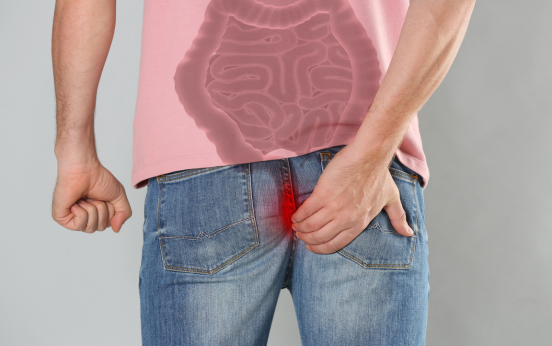
Piles, also known as hemorrhoids, are swollen blood vessels found in the rectum or anus. They can be either internal or external and are categorized based on their location and severity. Common terminologies associated with piles include rectal bleeding, itching, and discomfort during bowel movements.
Piles are a common condition, affecting millions of people worldwide. It is estimated that approximately 75% of adults will experience piles at some point in their lives. The impact of piles can be significant, causing physical discomfort, emotional distress, and interference with daily activities.
Understanding Piles: What are Hemorrhoids?
-
Differentiating between internal and external hemorrhoids
Internal hemorrhoids are located inside the rectum and are typically not visible. They may cause rectal bleeding and are commonly associated with a feeling of fullness or discomfort. External hemorrhoids, on the other hand, develop under the skin around the anus and can be seen and felt. They may cause itching, pain, and swelling.
-
Hemorrhoidal anatomy and its relation to symptoms
Hemorrhoids are clusters of blood vessels, smooth muscle, and connective tissue in the anus and rectum. When these structures become enlarged or swollen, it can lead to symptoms such as bleeding, itching, and pain during bowel movements.
-
Overview of the grading system for hemorrhoids
There are four grades used to classify hemorrhoids based on their severity. Grade 1 hemorrhoids are small and only bulge into the anal canal. Grade 2 hemorrhoids also protrude during bowel movements but return to their original position afterward. Grade 3 hemorrhoids require manual repositioning, while Grade 4 hemorrhoids are permanently prolapsed and cannot be repositioned.
Causes of Piles
-
Chronic constipation and straining during bowel movements
One of the primary causes of piles is chronic constipation, which leads to straining during bowel movements. When individuals strain to pass stools, the increased pressure on the rectal veins can cause them to swell and become hemorrhoids.
-
Prolonged sitting or standing and the effects on venous circulation
Prolonged periods of sitting or standing can negatively affect venous circulation in the rectal area, contributing to the development of piles. The lack of movement can lead to blood pooling and increased pressure on the veins, leading to their enlargement.
-
Dietary factors and lack of fiber intake
A diet low in fiber can contribute to the development of piles. Fiber adds bulk to the stool, making it easier to pass through the digestive system. Without an adequate intake of fiber, stools become hard and difficult to pass, leading to straining and increased pressure on the rectal veins.
-
Pregnancy, childbirth, and its influence on hemorrhoidal development
The hormonal changes and increased pressure on the pelvic area during pregnancy can cause the development or worsening of piles. Additionally, the strain of childbirth itself can further contribute to the formation of hemorrhoids.
-
Obesity and its role in predisposing individuals to piles
Obesity is associated with an increased risk of developing piles. The excess weight puts additional pressure on the rectal veins, leading to their swelling and enlargement.
-
Age-related weakening of rectal tissues
As individuals age, the tissues in the rectal area may weaken, increasing the likelihood of developing piles. The loss of elasticity and strength in these tissues can make them more susceptible to swelling and inflammation.
-
Genetic predisposition and family history
A person’s genetic makeup can play a role in their susceptibility to piles. Individuals with a family history of hemorrhoids may be more likely to develop the condition themselves.
-
Other lesser-known causes and risk factors
Certain medical conditions, such as liver disease, chronic inflammatory bowel diseases, and colorectal cancer, have been associated with an increased risk of developing piles. Additionally, activities that involve heavy lifting or straining, such as weightlifting, can contribute to the development of hemorrhoids.