
Can You Live a Healthy Life Without a Gallbladder?
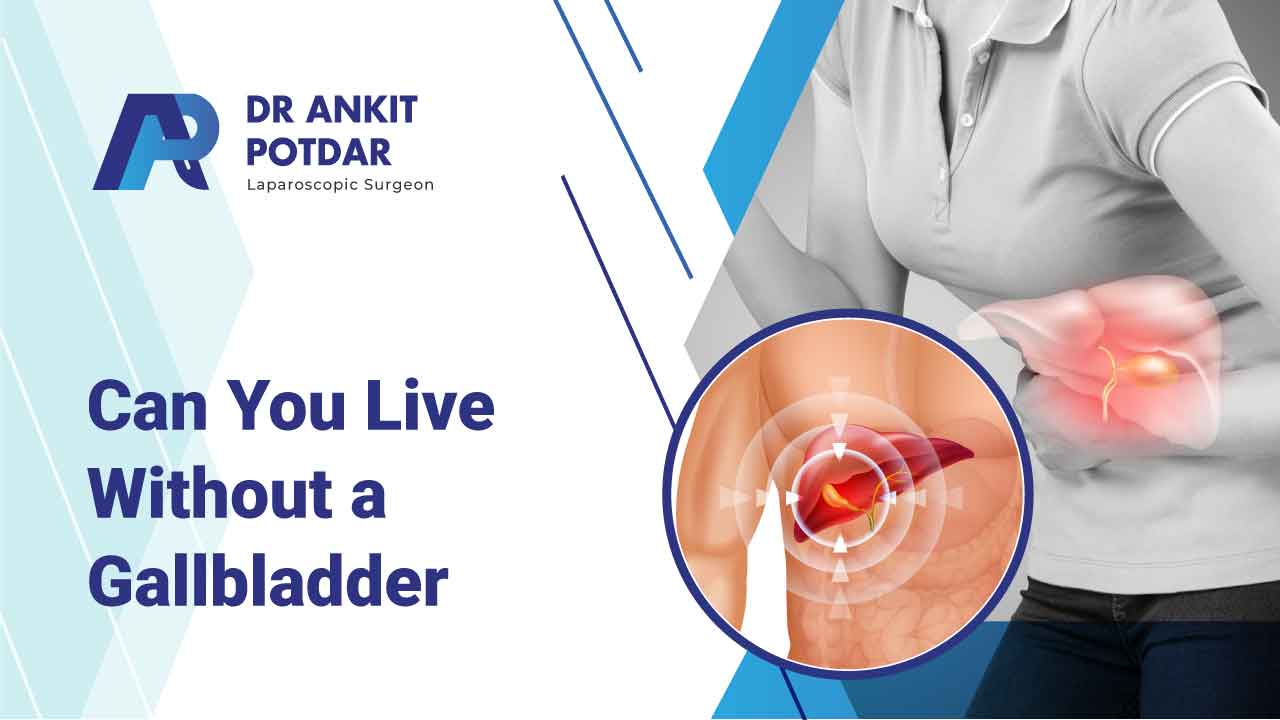
Yes, you can live a healthy life without a gallbladder. The gallbladder stores bile, but its removal typically does not affect digestion or overall health significantly.
The gallbladder plays a crucial role in the digestive system, but sometimes it may need to be removed due to various medical conditions. This article will explore the function of the gallbladder, reasons for its removal, and life after gallbladder surgery.
Our aim is to provide you with comprehensive information to help you or your loved ones understand the implications of living without a gallbladder.
The Purpose of the Gallbladder
The gallbladder is a small, pear-shaped organ located beneath the liver. Its primary function is to store and concentrate bile, a digestive fluid produced by the liver.
Bile helps break down fats in the food we eat, making them easier to absorb by the small intestine. When fatty foods enter the digestive system, the gallbladder releases bile into the small intestine to aid in digestion and absorption.
Conditions Requiring Gallbladder Removal
Several medical conditions may necessitate the removal of the gallbladder. Some common conditions include:
-
Gallstones:
Small, hard deposits that form in the gallbladder and can cause severe pain, inflammation, or blockage of bile flow.
-
Gallbladder inflammation (cholecystitis):
An infection or irritation of the gallbladder, often caused by gallstones.
-
Gallbladder polyps:
Abnormal growths on the gallbladder lining that can potentially develop into cancer.
Symptoms associated with these conditions may include abdominal pain, nausea, vomiting, fever, and jaundice (yellowing of the skin and eyes).
Gallblbladder Removal Surgery (Cholecystectomy)
Gallbladder removal surgery, also known as cholecystectomy, can be performed using two main methods:
-
Laparoscopic cholecystectomy
: A minimally invasive procedure that involves making small incisions in the abdomen and using a tiny camera and surgical instruments to remove the gallbladder. This method is the most common and has shorter recovery times.
-
Open cholecystectomy:
A more invasive procedure that requires a larger incision in the abdomen to remove the gallbladder. This method may be necessary if complications arise or for patients with specific health conditions.
The preoperative preparation typically includes blood tests, imaging studies, and a discussion of potential risks and benefits.
After surgery, patients are monitored during recovery and given instructions on how to care for their surgical wounds and manage any discomfort or pain.
Life without a Gallbladder
The human body is remarkably adaptable, and it is possible to live a healthy life without a gallbladder. After gallbladder removal, the liver takes over the responsibility of bile production and continuously delivers bile directly into the small intestine.
While this may lead to some changes in digestion and fat absorption, most individuals can adjust without significant issues.
Choose Our Doctor For The Best Care Of Yourself.
Dietary Considerations
After gallbladder removal, it is essential to make some dietary adjustments to support healthy digestion. Some recommendations include:
-
- Gradually reintroducing fats into your diet, focusing on healthy fats such as those found in avocados, nuts, and olive oil.
-
- Eating smaller, more frequent meals to help the digestive system process food without the concentrated bile from the gallbladder.
-
- Consuming a balanced diet rich in fruits, vegetables, lean proteins, and whole grains.
Potential Complications and Long-Term Outlook
While most people experience few complications after gallbladder removal, some potential issues may arise, such as bile reflux or diarrhea.
It is important to discuss any concerns with your healthcare provider and attend regular follow-up visits to monitor your progress.
In general, individuals can lead a normal, healthy life after gallbladder removal. By adhering to dietary recommendations and maintaining open communication with your healthcare team, you can successfully manage life without a gallbladder.
Conclusion
Living without a gallbladder is generally well-tolerated and does not significantly impact overall health or quality of life.
By understanding the role of the gallbladder, the reasons for its removal, and making necessary lifestyle adjustments, individuals can confidently navigate life post-surgery.
Always consult with your general surgeon or gallbladder specialist for personalized advice and guidance based on your specific circumstances.