
Have you ever experienced strange sensations in your chest or abdomen that just don’t seem to make sense? You might be surprised to learn that these peculiar symptoms could be linked to a condition known as a stage 4 Hiatal Hernia. While most people are familiar with the typical symptoms of heartburn and Acid Reflux associated with this Condition, there are some lesser-Known signs that can catch you off guard.
Some Unusual Symptoms
- Difficulty Swallowing (Dysphagia):
Experiencing a sensation of food lodged in your throat or chest.
Choking or coughing when trying to swallow.
- Chest Pain:
Intense, stabbing chest pain.
–Discomfort intensifies when reclining or following meals.
- Shortness of Breath:
– Feeling breathless even without exertion.
– Difficulty catching your breath, especially after meals.
- Fatigue:
– Unexplained tiredness or weakness.
– Feeling drained despite getting enough rest.
- Nausea and Vomiting:
– Persistent nausea, especially after eating.
– Frequent episodes of vomiting, sometimes with blood.
- Bloating and Abdominal Discomfort:
– Abdominal bloating that doesn’t improve with passing gas or belching.
– Feeling full quickly during meals.
- Hoarseness or Voice Changes:
– Alterations in your vocal quality, such as huskiness or a rough texture.
– Struggling to amplify your voice or speak with volume.
These weird symptoms are crucial for timely diagnosis and treatment of stage 4 hiatal hernia. While these signs may seem unrelated or insignificant at first glance, they can provide valuable clues about what’s happening inside your body. So, what exactly is a stage 4 hiatal hernia, and why does it cause these odd symptoms?
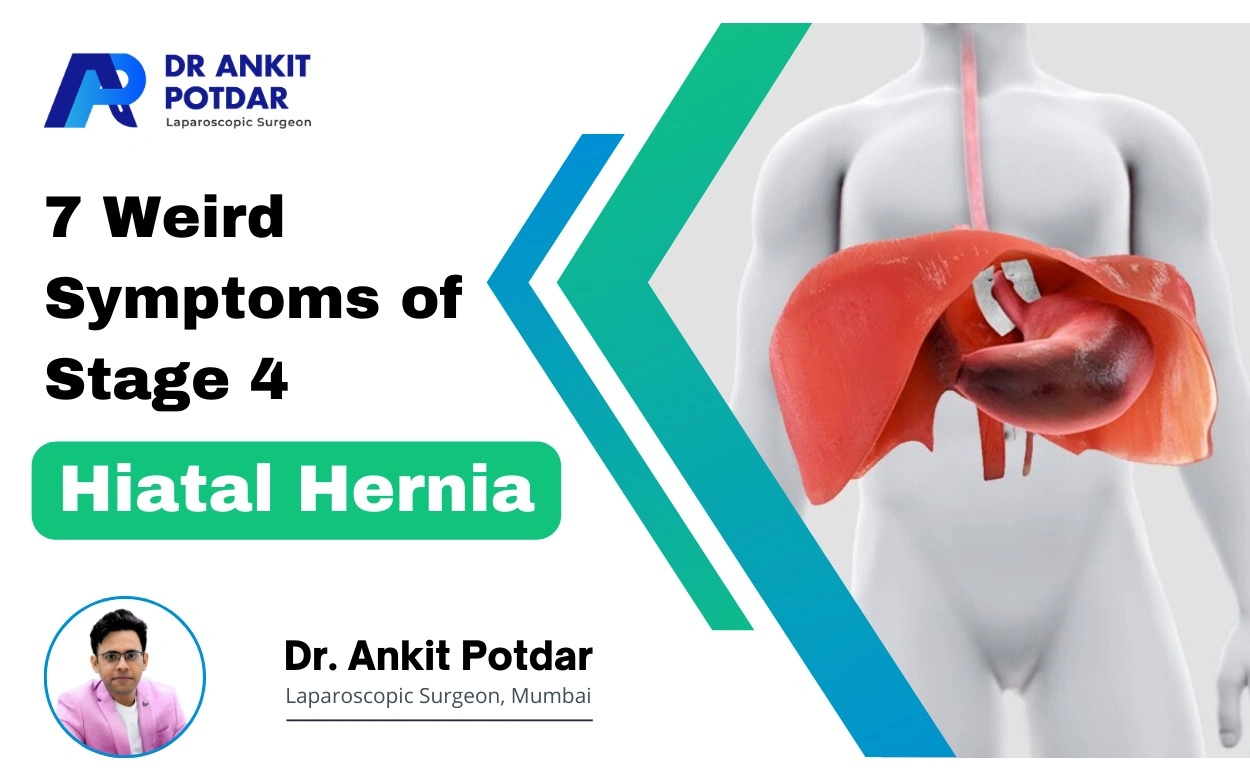
A hiatal hernia occurs when the upper part of your stomach bulges through the diaphragm into your chest cavity. In a stage 4 hiatal hernia, this protrusion is significant and can lead to complications such as severe reflux, esophageal ulcers, or even strangulation of the stomach, which is a medical emergency. The abnormal positioning of the stomach puts pressure on the surrounding organs, leading to the diverse range of symptoms mentioned above.
Now that you’re aware of these peculiar symptoms, what should you do if you suspect you have a stage 4 hiatal hernia? First and foremost, it’s essential to consult with a healthcare professional for a proper evaluation. Your doctor may perform various tests, including imaging studies like X-rays or endoscopy, to confirm the diagnosis.
Once diagnosed, treatment options may include medication to manage symptoms, lifestyle changes such as dietary adjustments or weight loss, and in severe cases, surgical intervention to repair the hernia.
In Addition to Medical Treatment, There are Steps You Can Take at Home to Alleviate symptoms and improve your quality of life:
- Consume smaller, frequent meals to alleviate strain on the stomach.
- Refrain from reclining or bending over right after a meal.
- Raise the head of your bed to avoid acid reflux while sleeping.
- Quit smoking and limit alcohol intake, as these can exacerbate symptoms.
- Practise stress-reducing techniques like meditation or yoga to ease tension in the abdomen.
By being proactive about managing your symptoms and seeking appropriate medical care, you can minimise the impact of a stage 4 hiatal hernia on your daily life. Remember, even though these symptoms may seem strange or unusual, they are real and deserve attention. Don’t hesitate to reach out to your healthcare provider if you’re experiencing any of these signs. Your health is worth it!