
What is the Diet For Hiatal Hernia
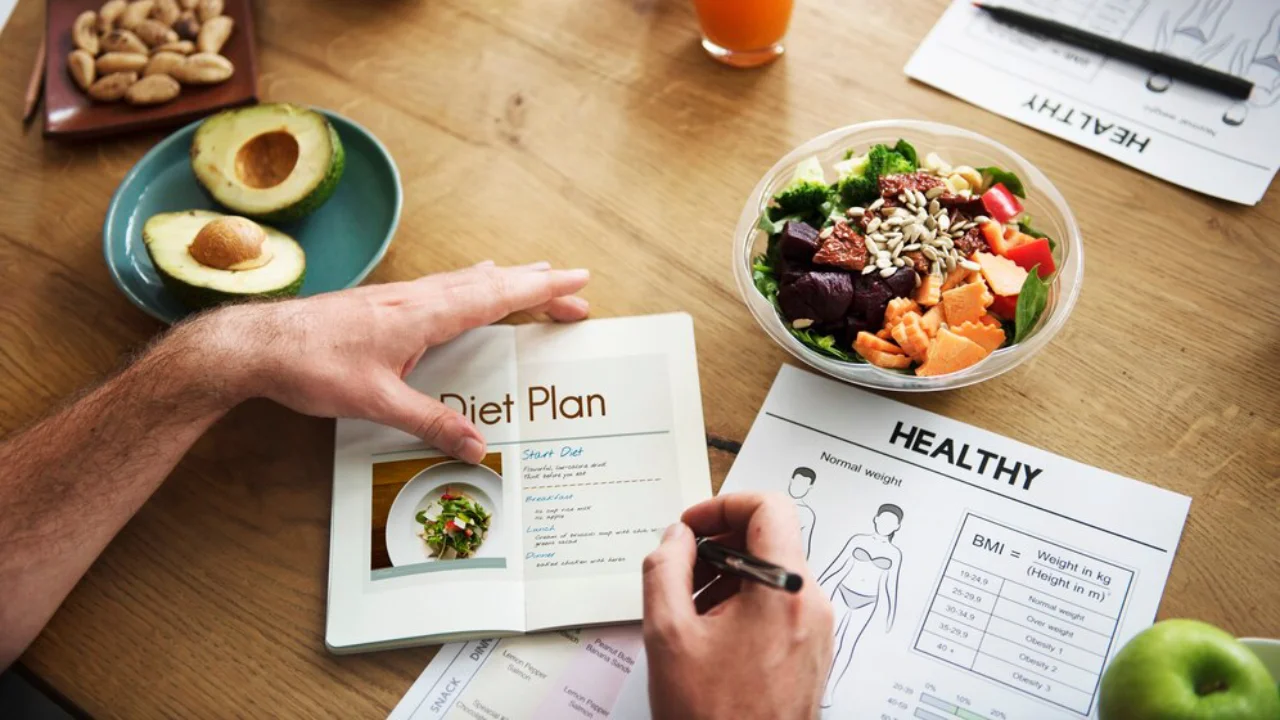
Understanding the Best Diet for Hiatal Hernia:
- The ideal diet for hiatal hernia focuses on reducing acid reflux, easing digestion, and preventing further irritation to the affected area.
- Emphasize consuming smaller, frequent meals rather than large, heavy ones to minimize pressure on the stomach and lower esophageal sphincter (LES).
- Opt for nutrient-dense, whole foods that are gentle on the digestive system and less likely to trigger acid reflux.
Understanding the Best Diet for Hiatal Hernia
- The ideal diet for hiatal hernia focuses on reducing acid reflux, easing digestion, and preventing further irritation to the affected area.
- Emphasize consuming smaller, frequent meals rather than large, heavy ones to minimize pressure on the stomach and lower esophageal sphincter (LES).
- Opt for nutrient-dense, whole foods that are gentle on the digestive system and less likely to trigger acid reflux.
Best Foods to Eat for Hiatal Hernia
- Non-acidic fruits such as bananas, melons, and apples can provide essential vitamins and minerals without aggravating symptoms.
- Vegetables like leafy greens, carrots, and cucumbers offer fiber and antioxidants while being easy on digestion.
- Lean proteins such as chicken, turkey, fish, and tofu are preferable over fatty or fried meats.
- Complex carbohydrates like oatmeal, brown rice, and quinoa can provide sustained energy without causing discomfort.
Eggs and Hiatal Hernia: Are They Okay?
- Eggs are generally well-tolerated by individuals with hiatal hernia, especially when prepared in non-greasy methods like boiling or poaching.
- However, individual tolerance may vary, and some people may find that eggs exacerbate their symptoms.
- It’s advisable to monitor how your body reacts to eggs and adjust your intake accordingly.
Foods That Help Shrink a Hernia:
- While specific foods don’t directly shrink a hiatal hernia, certain dietary choices can alleviate symptoms and reduce discomfort.
- High-fiber foods such as whole grains, legumes, and fruits can prevent constipation, which may exacerbate hernia symptoms.
- Maintaining a healthy weight through a balanced diet and regular exercise can help alleviate pressure on the stomach and reduce the severity of symptoms over time.
Calming a Hiatal Hernia:
- Herbal teas like chamomile, ginger, and peppermint may help soothe the digestive tract and alleviate symptoms of hiatal hernia.
- Avoiding trigger foods such as spicy foods, caffeine, alcohol, and acidic foods like citrus fruits and tomatoes can prevent flare-ups.
- Eating slowly, chewing food thoroughly, and avoiding lying down immediately after meals can aid digestion and reduce the risk of acid reflux.
Conclusion
Managing hiatal hernia through diet requires a strategic approach focused on minimizing symptoms and promoting digestive health. By incorporating nutrient-rich foods, avoiding triggers, and adopting healthy eating habits, individuals with hiatal hernia can effectively manage their condition and improve their overall quality of life. It’s essential to consult with a healthcare professional or a registered dietitian to tailor dietary recommendations to individual needs and ensure optimal management of hiatal hernia.